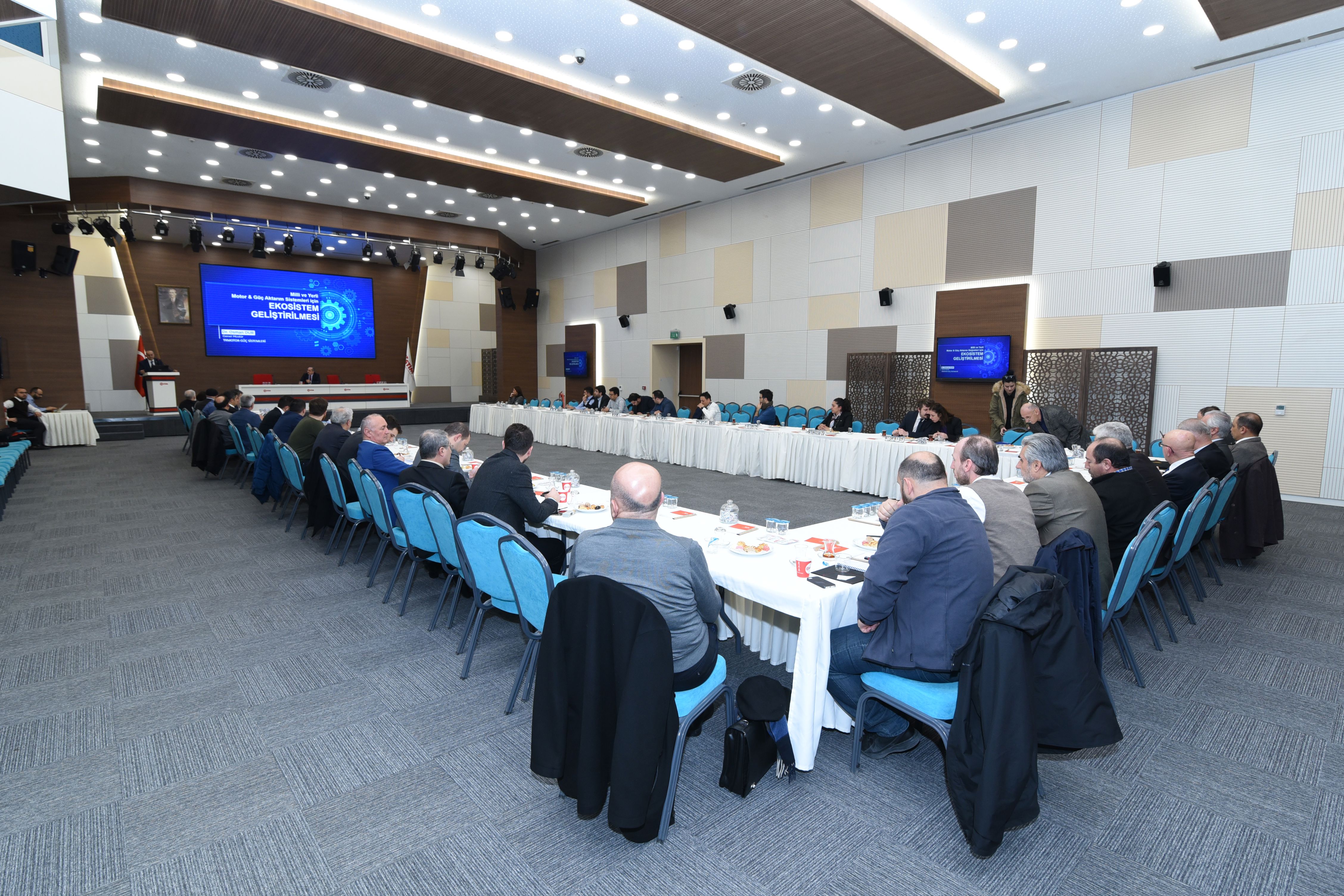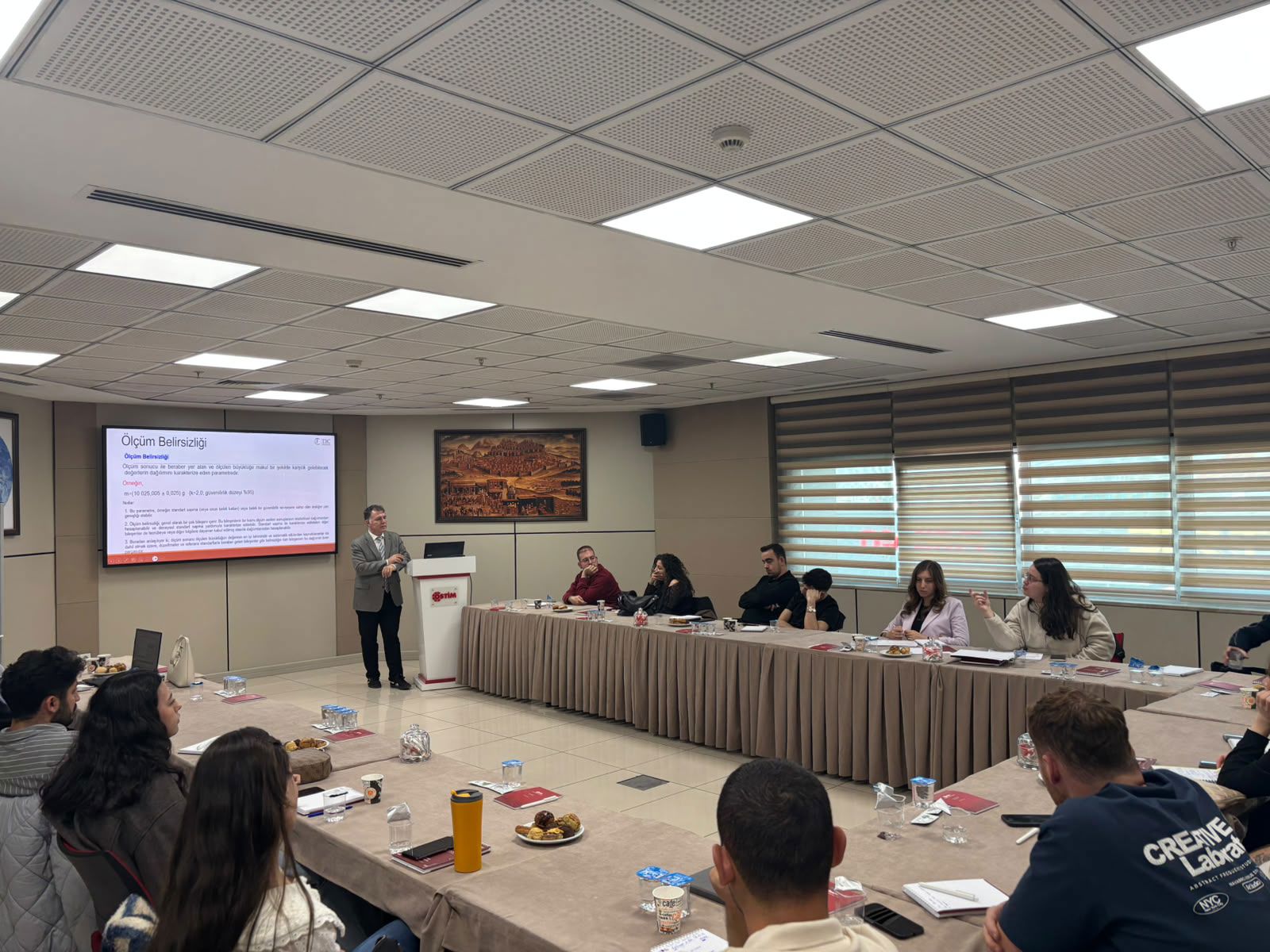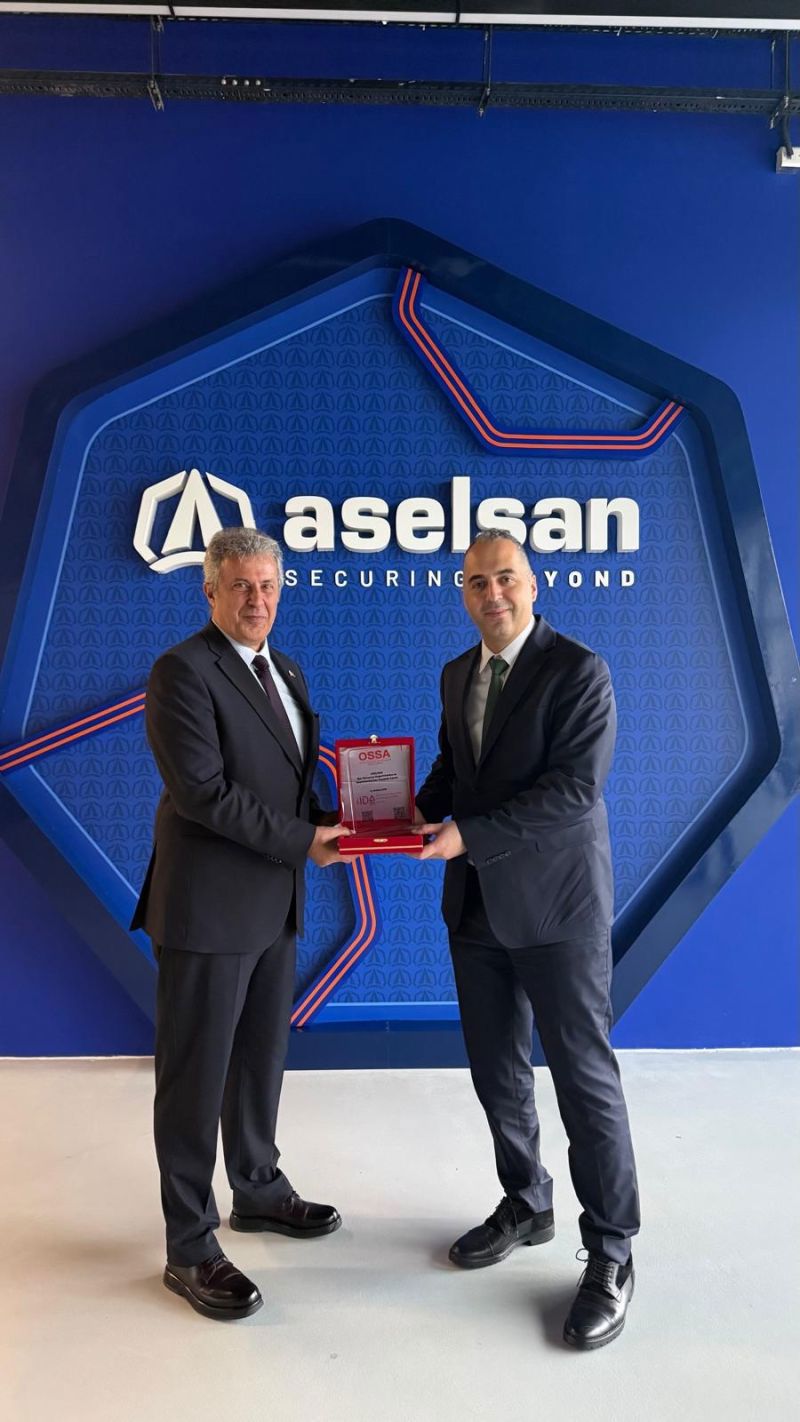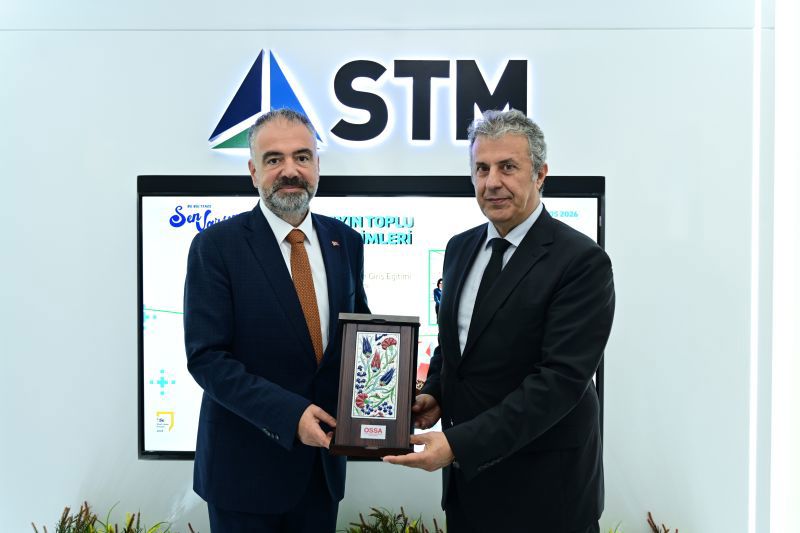
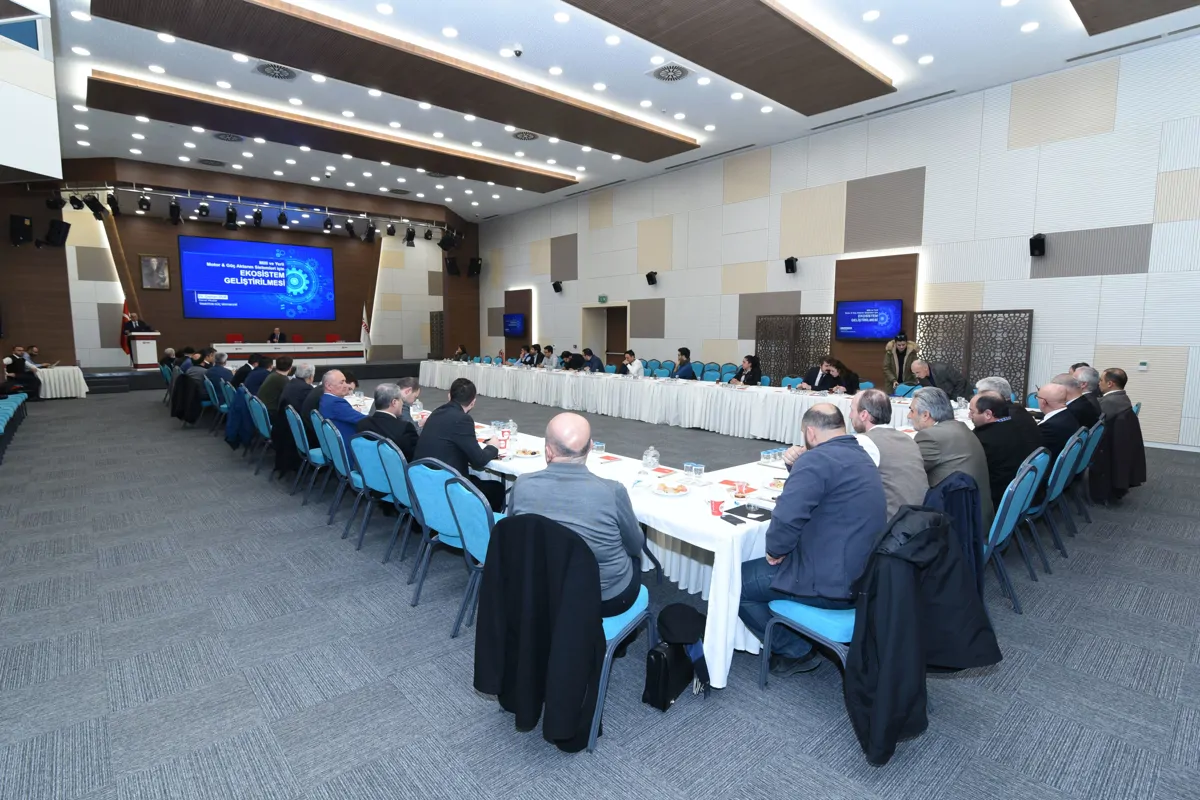
TR Motor Power Systems Inc. is working to develop a sustainable ecosystem for national and domestic engine and power transmission systems using the capabilities of the domestic industry. Within this scope, TR Motor officials met with members of the OSTİM Defense and Aerospace Cluster (OSSA) in OSTİM. During the meeting, TR Motor's operating procedures were explained, and the support that will be provided regarding the required products and parts was detailed.
The company continues its work in two main areas: aircraft and land vehicles. TR Motor prioritizes the use of domestic resources and capabilities in its operations, and proceeds through a supplier development approach.
“We can nationalize many products”
OSTİM Chairman Orhan Aydın emphasized that thanks to major industrial firms such as ASELSAN, TAI, MKE, and FNNS, Ankara has developed an industrial culture based on defense and aerospace.
Aydın pointed out that OSTİM has a serious ecosystem that understands the language of the defense industry, meets its requirements, and can respond to its quality and standards, and stated, “We can localize and nationalize many of your products and parts. We have many companies here that can do this. We are ready to work together. The companies here are extremely cooperative. We do this with other institutions. We are ready to do it with you as well. As OSTİM, we are ready to do everything we can, with all our resources and capabilities, for this cooperation.”
A SUSTAINABLE ECOSYSTEM FOR THE NATIONAL ENGINE
Dr. Osman Dur, General Manager of TR Motor Power Systems Inc., informed OSSA members about the company's operations and ongoing projects.
Dur explained that they aim to create a sustainable ecosystem for national and domestic engine and powertrain systems, and that their aircraft projects focus on developing engines for helicopters, UAVs, fighter jets, and commercial aircraft. Referring to land vehicle projects, Dur stated that their goal is to develop domestic piston engines with 380-600 horsepower for powerful tank carriers like the Fırtına and Altay tanks, as well as smaller military vehicles weighing 1000, 1500 cc or more.
Osman Dur stated that the most critical point in creating a sustainable capability is cooperation with industry, adding, "The domestic production infrastructure is largely lacking because such a product has never been produced before. If it exists, its capabilities need to be transformed or supported."
Completely domestic industrial power
Dur, emphasizing that all these studies can be carried out in cooperation between the public sector, universities, and industry, noted: “The public sector established TR Motor by setting such a vision and expressing its determined stance that this work will be done. TR Motor A.Ş. has a clear policy, a definite strategy, and no problems with incentives and support from the state; it is entirely focused on utilizing the power of domestic industry before using foreign capabilities. We prioritize purchasing domestic solutions because we do not want to create companies that can lower prices and distribute unsustainable engineering after 3 days due to the lack of mass production.”
Dur stated that they support industrialists in developing their capabilities and human resources, adding, “Then the focus shifts from cooperation with industrialists to developing suppliers. I tell the industrialist, ‘I am making this investment, and from now on, I am also giving your name to the Presidency of Defense Industry.’ I am not developing any capabilities in the subsystems that industrialists can produce.”
“Making engines is an academic job”
Osman Dur explained that they also receive international consulting services for tasks not covered by industry or academia in Turkey, and that this consulting includes the personnel of industrialists, their own personnel, and academic staff.
Dur, emphasizing that academic studies should focus on the problems of domestic industry, stated, “Making engines is not the job of an industrialist. Making engines is an academic endeavor. How to adapt these designs and future technologies to this engine, all of this is academic. I made an engine and put it aside. Who will adapt the newly developing technologies to it? Will I adapt it? We can't. I don't have that ability. My engineers have worked here for 3 years and there for 5 years; they are very good at using computers and do the work they are given. But we need to transform into a model where our colleagues, who do the work they are given, can find what they don't provide in scientific articles and research, thus meeting Turkey's needs and achieving the technology it desires.”
General Manager Dur emphasized that collaboration between industry and universities is essential for the development and sustainability of the domestic and national engine ecosystem, stating, “We receive consultancy from international companies. With the help of both company personnel, university professors, and our own staff, companies can gain the engineering capabilities to bring this production to life. Therefore, a sustainable ecosystem is now being formed in this field. This capability is now becoming domestic and national.”
Academic calculations, if we can't bring together engineering capabilities and industrial infrastructure, don't generate data for the next step. The skilled craftsmen in the industry have very serious abilities. The man may not know exactly what he knows, but his knowledge fits somewhere in the formula. Unless the knowledge of those craftsmen is incorporated into the formula, and unless we integrate it with the knowledge of academics and transfer their production experience here, it won't be sustainable.
"What we call reverse engineering is essentially going from parts to formulas. In engineering, it's about going from formulas to parts. We need to establish an infrastructure that will allow us to go from the technologies we have to formulas. When we do this, we need to combine the experience of the industry, the knowledge of the academic community, and the engineering capabilities," he said.