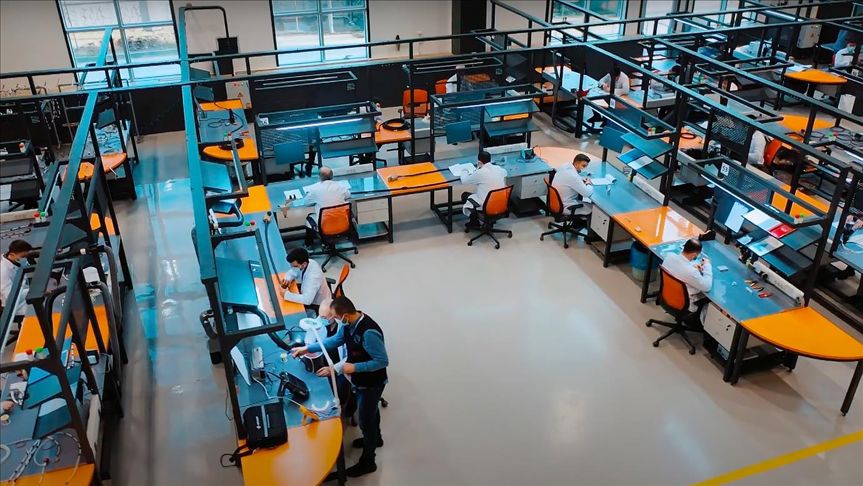
SMEs operating in the Turkish defense and aerospace industry are striving to increase their competitiveness in line with developments and needs in the sector.
According to information compiled by an AA correspondent, ERP (Enterprise Resource Planning), which encompasses the software and processes that companies use to manage their daily business activities such as sales, purchasing, production planning, manufacturing, and shipping, as well as the business processes of departments such as accounting, finance, import-export, human resources, R&D, quality assurance, and engineering, plays a critical role in the management of thousands of businesses of all sizes across all sectors.
Especially in critical sectors such as defense and aerospace, it is of great importance for companies to use their resources more efficiently, to make their product and production quality processes more effective, and to meticulously monitor all processes from raw material input to semi-finished or final product output.
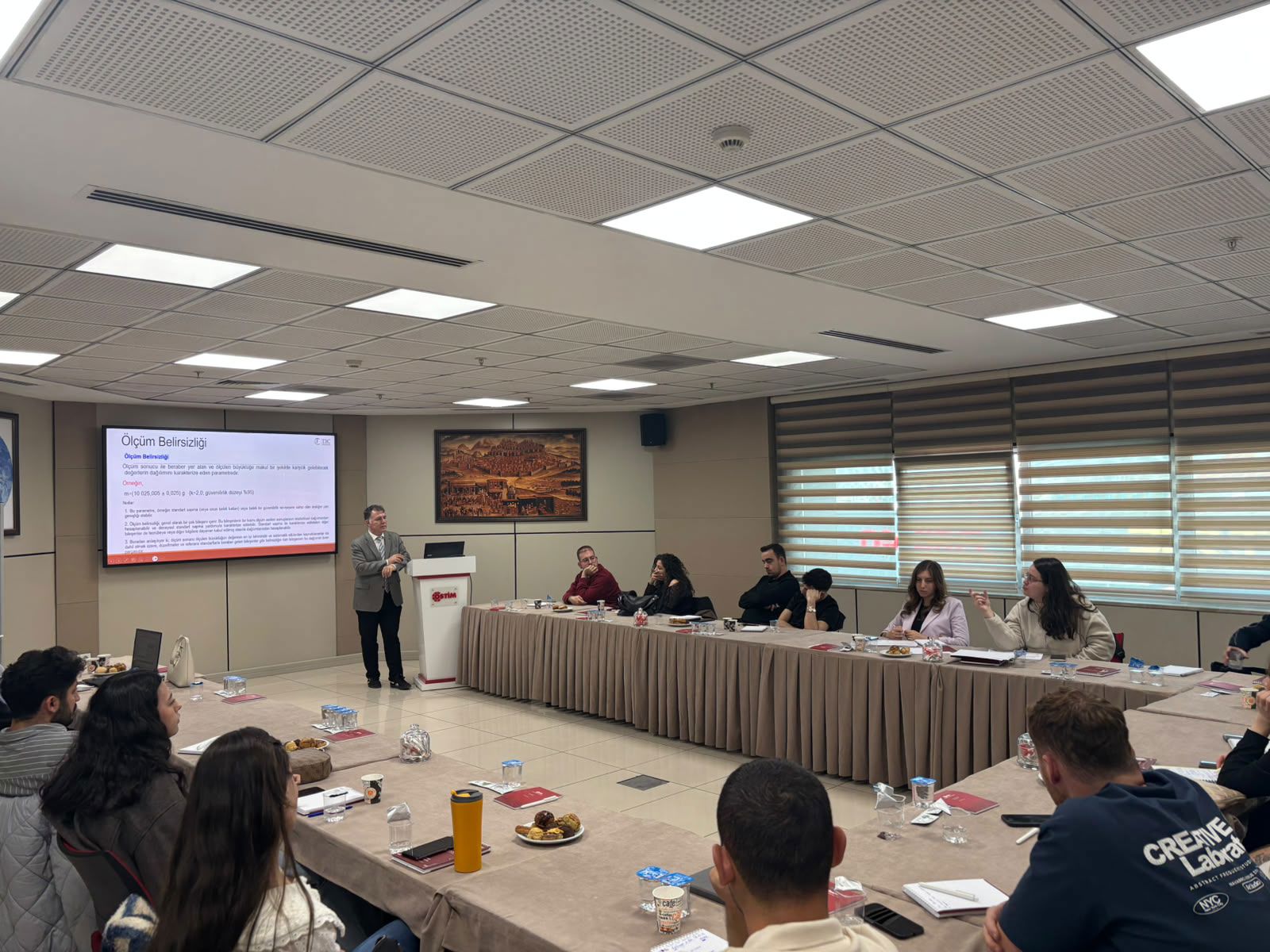
OSTİM Defence and Aerospace Cluster (OSSA) supports the development of its members within the scope of the Ministry of Trade's URGE Projects. As part of the 5th URGE Project approved last year, an approximately 90-day ERP consultancy process was successfully completed for 8 companies, and relevant reports were prepared and submitted to the Ministry of Trade for the return of approximately 75% of the 1.6 million Turkish Lira investment to the companies.
The enterprise resource planning solution, which is used as a consultancy service within the scope of the URGE Project and preferred by OSSA member companies, can be customized to the specific needs of each company thanks to its sector-independent, flexible, and adaptable structure.
During the consultancy period, the ERP system that was consulted and implemented enabled 8 more OSSA member companies to improve their competitiveness by providing fast and reliable processing capabilities in many operations, a portal feature that works in an integrated structure with customers, dealers and suppliers, the ability to track processes electronically, effective capacity planning and precise planning, and increased production capacity through planning improvements.
From receiving an order from a customer to its delivery, all stages of the process, such as raw material stock control and minimizing stock costs, tracking the stage of the product in the production process, implementing quality standards in line with customer requests, and ensuring timely delivery, can now be monitored electronically by companies using an ERP system.
Contribution to institutionalization and efficiency
Companies using ERP software have achieved significant gains in terms of institutionalization and productivity by improving and standardizing their business processes, in addition to the automation opportunities brought about by transferring business processes to a computer environment.
ERP systems have a significant impact on SMEs in terms of improving their processes such as institutionalization, digitalization, and business tracking, bringing them to the same level of competence as foreign companies, and consequently increasing their export potential.
OSSA had previously received the "Good Practice Examples" award twice in a row for its state-supported URGE projects. The cluster also organizes bilateral business meetings and purchasing delegation activities abroad, working to ensure the most effective use of state support and to support the exports of its member firms.
Source: AA